
Boost beauty and your ecosystem with a pollinator garden
A Rose Cottage Guide to Cultivating Life, Beauty, and Belonging
There is something deeply grounding about a garden that hums with life.
Not just the beauty of petals in morning light—but the quiet movement of bees, the flutter of butterflies, the shimmer of a hummingbird passing through. A pollinator garden is more than a landscape choice. It is an invitation—a small, meaningful way to participate in the life around you.
At Rose Cottage, we believe a garden should do more than look beautiful—it should belong. A pollinator garden weaves your home into the natural rhythm of your environment, blending purpose with the soft, abundant charm of a cottage garden.
And the most comforting truth?
You don’t need a large space or perfect plan. Even a small bed, a few pots, or a single corner planted with intention can make a meaningful difference.
Pollinators—bees, butterflies, hummingbirds, and more—help nearly 75% of flowering plants reproduce, including many of the foods we rely on. Supporting them strengthens not only your garden, but the wider ecosystem.
A pollinator garden becomes:
- A refuge
- A food source across seasons
- A quiet act of restoration
Cottage gardens have always supported pollinators—long before it had a name.
With their layered, slightly wild beauty, they offer:
- Continuous blooms
- Shelter and habitat
- A rich mix of flowers, herbs, and useful plants
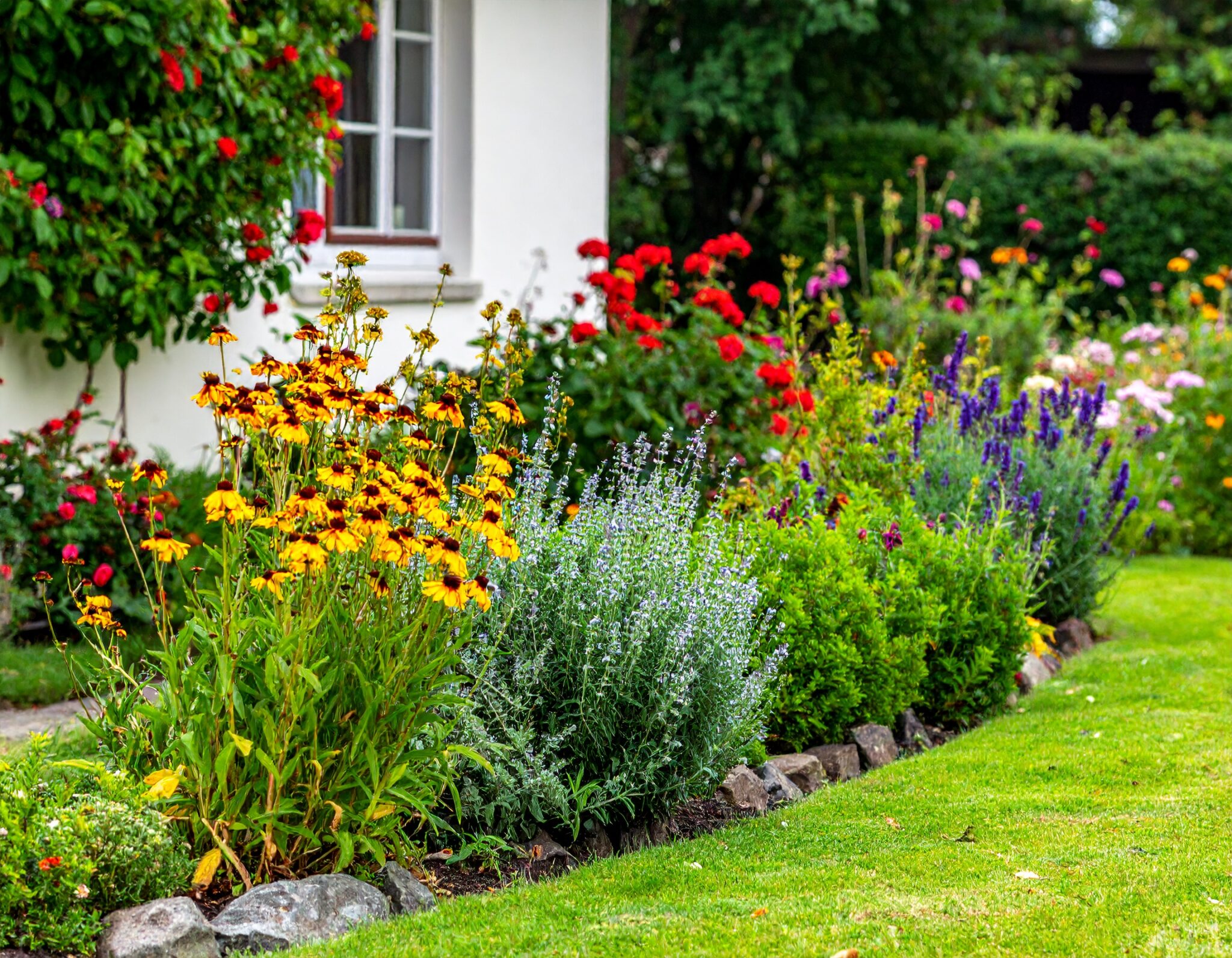
Think lavender, foxglove, roses, thyme, calendula, and yarrow growing together in gentle abundance. This informal style encourages biodiversity and creates a space that feels alive rather than controlled.
Plant with Purpose (and Simplicity)
A thriving pollinator garden doesn’t require complexity—just intention.
Start with:
- Native plants adapted to your area
- Flowering herbs like sage, oregano, and borage
- Heirloom blooms for variety and charm
Keep in mind:
- Plant in clusters for visibility
- Choose a mix that blooms from spring through fall
- Include different flower shapes for different pollinators
Even a few thoughtfully chosen plants can create a steady source of nourishment.
Pollinator-Safe Gardening: What to Use (and Avoid)
What you use in your garden matters just as much as what you plant.
Many common products can harm pollinators—especially systemic pesticides (like neonicotinoids), broad-spectrum insecticides, and synthetic herbicides.
What to Avoid
- Ingredients like imidacloprid, clothianidin, thiamethoxam
- “One-size-fits-all” insect killers
- Chemical weed controls that reduce plant diversity
What to Choose Instead
Build healthy soil first
Compost and organic matter create resilient plants that naturally resist pests.
Use gentle, targeted solutions
- Hand removal
- Beneficial insects like ladybugs
- Insecticidal soap or neem oil (applied early morning or evening only)
Select organic, slow-release fertilizers
Look for compost-based or OMRI-listed options that feed the soil, not just the plant.
Read labels carefully
“Natural” doesn’t always mean safe—look for transparency and pollinator-safe guidance.
Creating a Garden That Supports Life
A true pollinator garden goes beyond flowers.
- Add a shallow water source with stones for safe drinking
- Leave a bit of natural debris for shelter
- Avoid cutting everything back in fall—let your garden rest and provide winter habitat
This softer, seasonal approach reflects the heart of cottage living: working with nature rather than against it.
Designed to Feel Alive
The Rose Cottage garden is layered and gently abundant.
- Low: creeping thyme, blanket flowers, wormwood, horehound
- Mid: echinacea, salvia, calendula, penstemon, yarrow, chamomile
- Tall: roses, hollyhocks, sunflowers, serviceberry, milkweed
Let plants mingle. Allow a little self-seeding. Create small moments—a bench, a winding path, a tucked-away herb patch.
It doesn’t need to be perfect to be beautiful. In fact, it’s better when it isn’t.
A Small Garden, A Lasting Impact
Perhaps the most important truth to carry with you is this:
A pollinator garden does not have to be large to be meaningful.
A single container of blooming herbs on a patio
A narrow strip along a fence
A corner of your yard left just a little more wild
These small choices create stepping stones for pollinators—and when added together across neighborhoods, they become something powerful.
What you grow matters.
A Gentle Invitation from Rose Cottage
If this way of gardening speaks to something deeper in you—the desire to create a home that feels rooted, seasonal, and alive—you’re warmly invited to continue the journey with us.
The Rose Cottage Journal is where we gather these ideas—slow living, cottage gardening, herbal traditions, and thoughtful homemaking—into something you can return to again and again.
 Inside, you’ll find:
- Seasonal planting advise
- Cottage garden and inspiration
- Herbal recipes and practical uses
- Free designs and resources to bring beauty into everyday life
As a welcome, we’ve created a complimentary garden starter to help you begin your own pollinator-friendly space.
 Subscribe and receive your free garden kit here:
https://rosecottageshop.com/free-garden-kit/
Come sit with us a while. The garden is just getting started.